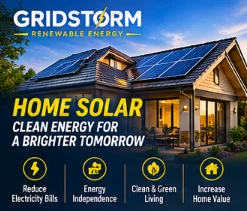
Made for home
Home solar.
Generate clean electricity at home with a system planned around your roof and everyday energy use.
Explore home solar →
GridStorm Energy · Solar and backup power
Explore solar electricity, backup and off-grid planning, solar geysers, and support for existing solar systems. Every project starts with your goals and the needs of your property.

Made for home
Generate clean electricity at home with a system planned around your roof and everyday energy use.
Explore home solar →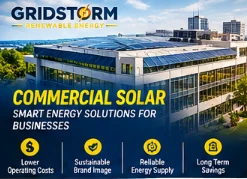
For your business
Put available roof space to work with a solar plan shaped around your business operations.
Explore commercial solar →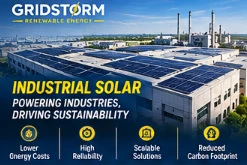
At industrial scale
Explore larger-scale solar generation designed around facility demand and site requirements.
Explore industrial solar →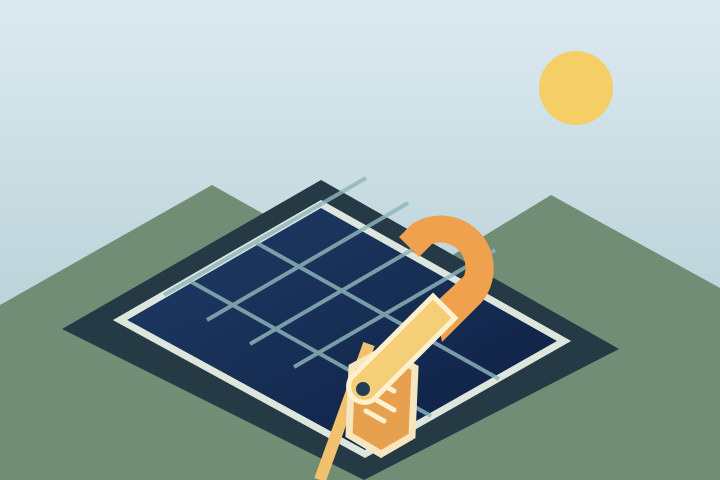
Support for existing systems
Get an assessment for faults affecting panels, inverters, batteries, wiring, controls, or solar water-heating equipment.
Explore solar repairs →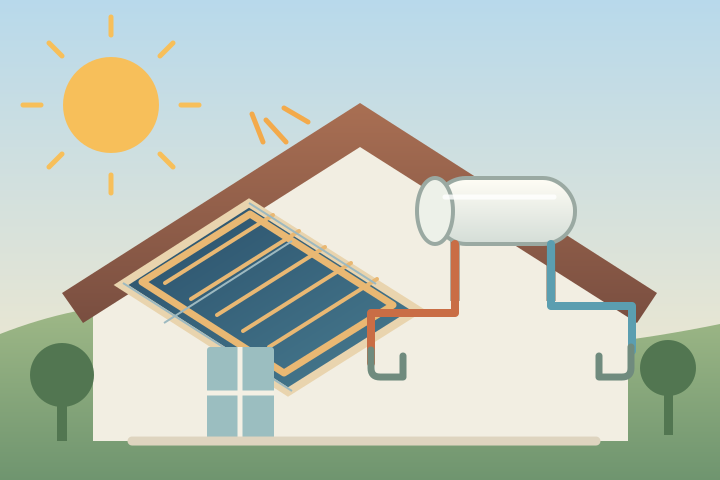
Warm water, wisely
Use the sun to heat your household water and reduce the electricity needed by your geyser.
Explore solar geysers →
01 · Home solar
Home solar turns sunlight into electricity for everyday use. The right setup starts with your household consumption, roof, and the appliances you want to support.
Explore home solar systems →Generate solar electricity alongside your grid connection. Design depends on how your household uses power and applicable connection requirements.
Combine solar generation, battery storage, and grid power. Battery capacity and supported circuits depend on your backup priorities.
Plan which essential household circuits to support during interruptions, with runtime matched to loads and battery capacity.
02 · Commercial solar
Commercial solar planning considers the way a business operates: when electricity is used, how the building is configured, and what the site can support.
Explore commercial solar →Usage during working hours, after hours, and across seasons helps inform how solar generation may fit business demand.
Available area, orientation, shading, structure, access, and tenancy arrangements are important parts of a site review.
Connection needs, approvals, installation phasing, and responsibilities should be assessed and documented in a proposal.
03 · Industrial solar
Industrial projects need a site-led approach. Energy demand, critical processes, infrastructure, and operational requirements all shape what should be assessed.
Explore industrial solar →Consumption history, demand peaks, production schedules, and critical loads help frame an initial project brief.
Roof or land availability, electrical equipment, structures, access, and safety constraints need project-specific review.
Technical studies, grid interface, approvals, phasing, and commissioning responsibilities should be confirmed before delivery.
04 · Solar repairs
When an existing solar or water-heating system develops a fault, an assessment helps identify what may be wrong and what repair options are appropriate. Diagnosis, safe access, equipment compatibility, and parts are confirmed before any work is agreed.
Explore solar repairs →Share symptoms, warning messages, and system details to help establish the right diagnostic next step.
Assessment requests can cover panels, inverters, batteries, wiring, protections, controls, and solar water-heating equipment.
Repair options, parts, pricing, service availability, and timing are confirmed after safe assessment.
05 · Solar geysers
Unlike solar-electric panels, a solar geyser captures heat to warm stored water. A suitable tank and backup arrangement complete the system.
Explore solar geysers →A roof-mounted collector absorbs solar energy and transfers heat to water through the system’s circulation arrangement.
An insulated tank stores heated water for use through the day. Capacity should be considered against household demand.
Roof conditions, plumbing, the existing geyser, equipment compatibility, and backup needs all require assessment.
More ways we can help
From new solar designs to troubleshooting and upgrades, explore services that can help you understand the next step for your property.
Assess the site, energy use, roof or land, and connection requirements before defining a system scope.
Explore this service →Identify essential circuits and consider battery capacity, backup duration, and safe integration.
Explore this service →Consider demand, generation, storage, seasonal conditions, and resilience priorities together.
Explore this service →Request an assessment for faults affecting solar PV, inverters, batteries, controls, or solar water-heating equipment.
Explore solar repairs →Review available system records and reported symptoms to help identify sensible diagnostic steps.
Explore this service →Review energy use and equipment to identify potential efficiency improvements for consideration.
Explore this service →Discuss existing equipment, upgrade objectives, compatibility questions, and project scope.
Explore this service →Service availability, assessment scope, and recommendations depend on your location, property, and project requirements.
Why GridStorm
Our approach is to make the options understandable and the next steps clear, from early assessment through system handover.
Use the information available about the site and energy use to guide system discussions.
Identify applicable safety, compliance, and approval requirements as project scope is developed.
Explain assumptions, options, responsibilities, and open questions before decisions are made.
Include installation planning, testing, handover, and aftercare considerations in the conversation.
Specific credentials, standards, warranties, and service commitments are confirmed for each project and documented in its proposal.
A clear path from enquiry to handover
Share your goals, site, and the energy needs you want to address.
Review property conditions, energy use, equipment, and project requirements.
Develop a project-specific recommendation with its scope and assumptions.
Plan installation, responsibilities, and any required approvals for the project.
Confirm testing, operating information, documentation, and support arrangements.
Make the first move
Planning a new system or dealing with an existing fault? Tell us about your property and what you need help with.